Meghalaya Mighty Fighter - Game Overview
Meghalaya Mighty Fighter emerges as one of India's most ambitious and culturally rich video game projects, seamlessly blending the diverse tribal heritage of Meghalaya with heart-stopping action-adventure gameplay. Developed by Northeast Indie Studios and published by Daman Games, this groundbreaking title has taken the Indian gaming scene by storm since its release on 22 March 2024, captivating players with its authentic representation of Khasi, Jaintia, and Garo traditions, martial arts, and folklore.
Set against the breathtaking backdrop of Meghalaya – the "Abode of Clouds" – a land renowned for its towering waterfalls, living root bridges, and vibrant tribal cultures, the game invites players to embark on a quest to protect the sacred lands from a powerful evil that threatens to destroy the delicate balance between nature and humanity. What truly sets Meghalaya Mighty Fighter apart from other action games in the Indian market is its unwavering commitment to cultural authenticity and attention to detail, with every aspect of the game – from character designs to combat mechanics to environmental elements – drawing inspiration from the real history, traditions, and natural beauty of Meghalaya.
Available across multiple platforms including PC, Android, iOS, and major consoles (PlayStation 5 and Xbox Series X/S), Meghalaya Mighty Fighter has broken new ground as a regional game with pan-Indian and international appeal. Its success has not only entertained millions but also educated players about the rich cultural diversity of Northeast India, sparking a renewed interest in Meghalayan traditions, tourism, and tribal art forms.
Within just six months of its release, the game has crossed 20 million downloads worldwide, with a staggering 4.8-star rating on major app stores – a testament to its engaging gameplay, stunning visuals, and cultural depth. Players from across India and beyond have praised the game for its innovative mechanics, compelling storyline, and the way it celebrates indigenous cultures in a respectful and authentic manner.
Core Game Statistics
| Category | Details |
|---|---|
| Release Date | 22 March 2024 |
| Developer | Northeast Indie Studios |
| Publisher | Daman Games |
| Platforms | PC, Android, iOS, PlayStation 5, Xbox Series X/S |
| Genre | Action-Adventure, Fighting, Open World, RPG Elements |
| Mode | Single Player, Multiplayer (PvP, Co-op) |
| Downloads | 20+ Million (As of September 2024) |
| Rating | 4.8/5 (Google Play), 4.9/5 (App Store), 9/10 (Steam) |
| Languages Supported | English, Hindi, Khasi, Garo, Bengali, Tamil, Telugu, Kannada |
| Game World Size | 15+ Square Kilometers (Open World) |
| Main Story Duration | 25-30 Hours |
| Side Quests | 120+ Unique Missions |
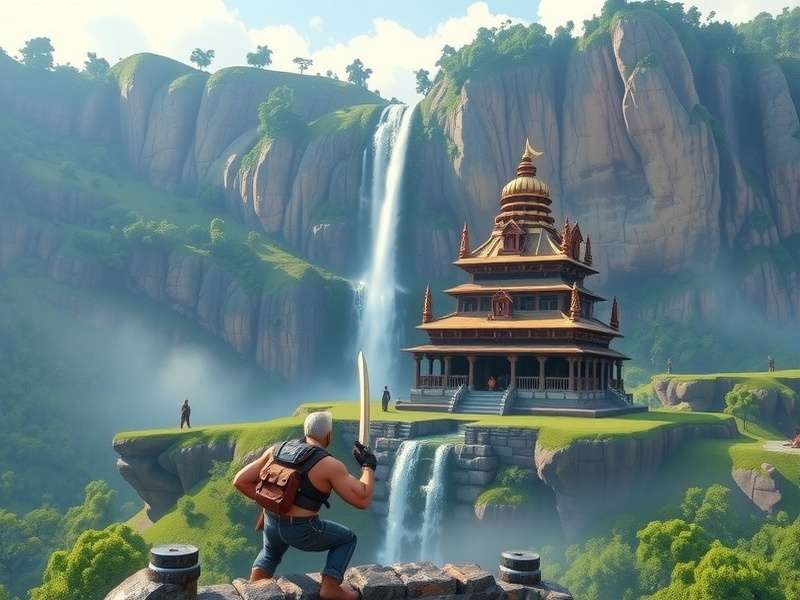
Game World Visuals
The game's open world is a breathtaking recreation of Meghalaya's diverse landscapes, from the misty Khasi Hills to the dense Garo forests and the scenic Jaintia valleys. Every location in the game is inspired by real places in Meghalaya, including the famous Living Root Bridges, Nohkalikai Falls, Mawlynnong (Asia's cleanest village), and the sacred forests of Mawphlang.
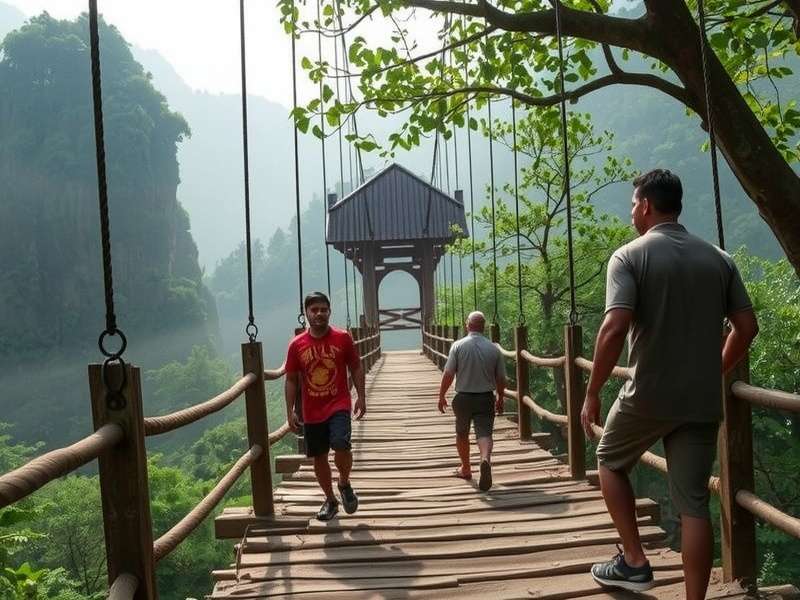
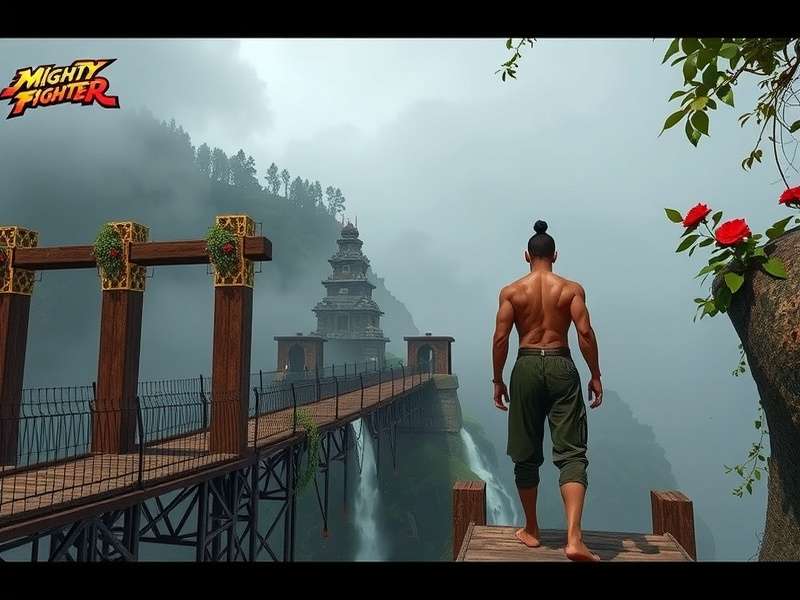

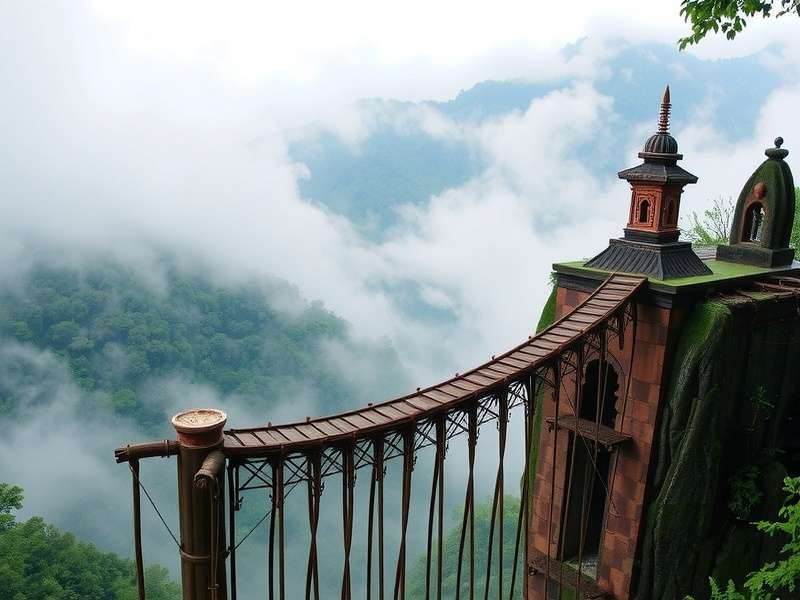
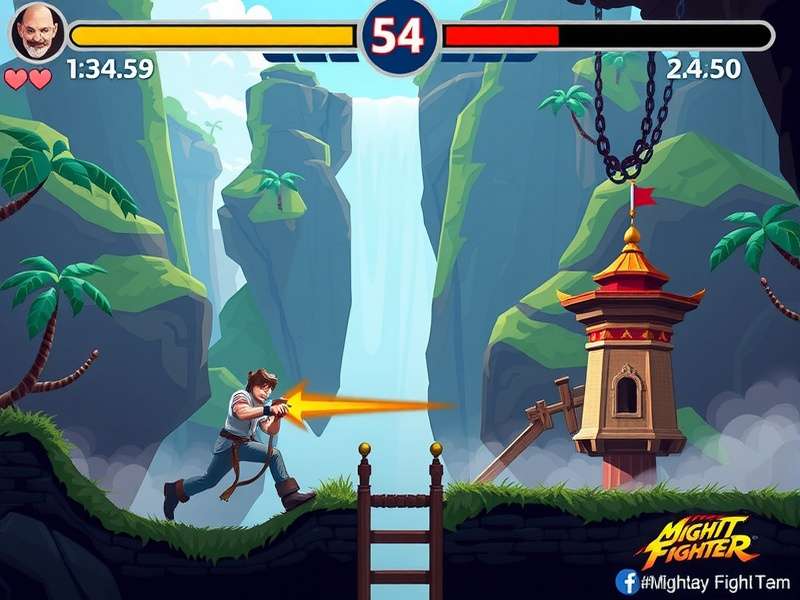
Cultural Impact & Recognition
Meghalaya Mighty Fighter has received widespread acclaim not just from gamers but also from cultural organizations, government bodies, and media outlets for its role in preserving and promoting Meghalayan tribal cultures. The Government of Meghalaya has recognized the game as an official cultural ambassador, and it has been featured in several national and international events celebrating indigenous art and gaming.
The game has also had a tangible impact on Meghalaya's tourism industry, with many players expressing a desire to visit the state after experiencing its beauty in the game. Local tour operators have even started offering "Meghalaya Mighty Fighter Inspired Tours" that take visitors to the real-life locations featured in the game.
Gameplay Mechanics & Features
Meghalaya Mighty Fighter offers a dynamic and immersive gameplay experience that seamlessly blends open-world exploration, skill-based combat, narrative-driven quests, and RPG elements. The game's core mechanics are designed to be accessible to casual players while providing enough depth and complexity to challenge hardcore gamers, making it a title that appeals to a wide audience across age groups and gaming preferences.
At its heart, the game is a love letter to Meghalaya – every gameplay element, from the combat system inspired by tribal martial arts to the side quests based on local folktales, is designed to immerse players in the state's unique culture and environment. The developers have gone to great lengths to ensure that the gameplay feels both familiar to action game fans and fresh with its cultural influences.
Tribal Martial Arts Combat System
The combat system of Meghalaya Mighty Fighter is one of its most innovative and culturally significant features, drawing inspiration from the traditional martial arts of Meghalaya's three major tribal communities: Khasi, Jaintia, and Garo. The development team worked closely with renowned martial arts masters from each community to document and digitize their unique fighting styles, ensuring that every strike, block, and movement in the game is authentic and respectful to the original art forms.
Unlike many action games that rely on generic combat mechanics, Meghalaya Mighty Fighter offers three distinct tribal combat styles, each with its own philosophy, moveset, and playstyle. Players can switch between these styles during combat, allowing for strategic gameplay and customization based on the situation and enemy type.
Khasi Style (U Tynrai)
Derived from the Khasi community's traditional martial art "U Tynrai," this style focuses on agility, speed, and precision. Ideal for players who prefer hit-and-run tactics and quick reflexes. Features fast strikes, evasive maneuvers, and acrobatic combos that allow the player to dart in and out of combat. The Khasi style emphasizes harmony with nature, and many of its special moves incorporate elements like wind and water.
Key Moves: Wind Slash, Water Dance, Leaf Dodge, Lightning Strike Combo
Jaintia Style (Seng Kseh)
Based on the Jaintia community's "Seng Kseh" martial art, this style is characterized by its strength, stability, and defensive techniques. Perfect for players who prefer a more methodical approach, with powerful strikes and impenetrable defenses. The Jaintia style makes heavy use of traditional weapons like the dao (machete) and shield, and its combos focus on breaking enemy defenses and delivering devastating finishing moves.
Key Moves: Mountain Strike, Shield Bash, Earthquake Slam, Iron Wall Defense
Garo Style (Wangala Khel)
Inspired by the Garo community's "Wangala Khel" fighting techniques, this style combines hand-to-hand combat with grappling and animal-inspired movements. Great for players who like to get up close and personal, using their body as a weapon. The Garo style emphasizes fluidity and adaptability, with moves inspired by animals like tigers, eagles, and snakes. It's particularly effective against multiple enemies, with area-of-effect attacks and crowd control abilities.
Key Moves: Tiger Pounce, Eagle Claw, Snake Wrap, Bear Hug Suplex
What makes the combat system truly unique is its "Spiritual Harmony" mechanic, which is deeply rooted in Meghalayan tribal beliefs. As players fight with skill and respect for their opponents, they build up Spiritual Harmony, which can be unleashed for powerful special moves called "Ancestor Blessings." These moves are inspired by tribal deities and ancestors, and each one reflects the cultural values of the community whose combat style the player is using.
For example, the Khasi style's Ancestor Blessing is "U Blei Shyllong" (Blessing of the Shyllong God), which summons a powerful wind spirit to attack enemies and heal the player. The Jaintia style's Ancestor Blessing is "U Lum Sohpetbneng" (Blessing of the Golden Peak), which grants the player invincibility and increased strength for a short time. The Garo style's Ancestor Blessing is "Tura Peak's Wrath," which calls upon the spirit of the Garo Hills to unleash a devastating area attack.
The game also features a unique "Environmental Combat" system that allows players to use Meghalaya's natural elements to their advantage. For example, players can use the slippery surface of wet rocks to dodge enemy attacks, swing from living root bridges to gain a tactical advantage, or use waterfalls to hide from enemies or launch surprise attacks. This integration of the environment into combat adds another layer of strategy and immersion to the gameplay.
Enemy AI in Meghalaya Mighty Fighter is another standout feature. Enemies have distinct fighting styles based on their tribal affiliations, and they adapt to the player's combat style over time. For example, Khasi-inspired enemies are fast and agile, Jaintia-inspired enemies are strong and defensive, and Garo-inspired enemies are unpredictable and use grappling techniques. This adaptive AI ensures that combat remains challenging and engaging throughout the game, even for experienced players.
Open World Exploration of Meghalaya
Meghalaya Mighty Fighter features a vast and meticulously detailed open world that spans over 15 square kilometers, recreating the diverse landscapes of Meghalaya with stunning accuracy. The game world is divided into six distinct regions, each inspired by a different part of Meghalaya and featuring unique environmental challenges, cultural landmarks, and wildlife.
The open world is designed to encourage exploration, with numerous hidden secrets, side quests, and collectibles waiting to be discovered. Unlike many open-world games that rely on fast travel to get around, Meghalaya Mighty Fighter encourages players to traverse the world on foot, by boat, or using traditional modes of transport like bamboo rafts and ponies. This slower pace of travel allows players to fully appreciate the game's stunning visuals and immerse themselves in the environment.
Khasi Hills Region
The largest region in the game, inspired by the misty Khasi Hills of central Meghalaya. Features rolling hills, dense forests, and iconic landmarks like the Living Root Bridges and Shillong Peak. This region is home to Khasi villages, where players can interact with NPCs, learn about Khasi culture, and accept quests. The Khasi Hills are known for their unpredictable weather, with sudden rain showers and thick fog that can affect visibility and gameplay.
Key Locations: Mawlynnong Village, Living Root Bridges, Shillong Peak, Umiam Lake
Garo Hills Region
Inspired by the lush Garo Hills of western Meghalaya, this region is characterized by dense tropical forests, winding rivers, and traditional Garo villages. The Garo Hills are home to a variety of wildlife, including elephants, tigers, and rare birds, which players can encounter as they explore. This region features numerous hidden caves and waterfalls, many of which contain valuable treasures and secret quests.
Key Locations: Tura Peak, Balpakram National Park, Siju Cave, Garo Villages
Jaintia Hills Region
Based on the historic Jaintia Hills of eastern Meghalaya, this region is known for its ancient temples, stone monuments, and mining areas. The Jaintia Hills are home to the ruins of ancient kingdoms, which players can explore to uncover the game's lore and find powerful artifacts. This region features challenging terrain, with steep cliffs and narrow valleys that require careful navigation.
Key Locations: Nartiang Stone Circle, Jowai Lake, Syntu Ksiar, Ancient Mines
Waterfall Country Region
Inspired by Meghalaya's famous waterfalls, including Nohkalikai Falls, Elephant Falls, and Seven Sisters Falls. This region features numerous cascading waterfalls, rivers, and pools, which players can swim in, climb, or use to navigate the world. The Waterfall Country is home to aquatic enemies and unique wildlife, and it features some of the game's most visually stunning locations.
Key Locations: Nohkalikai Falls, Elephant Falls, Seven Sisters Falls, River Canyons
Sacred Forests Region
Based on Meghalaya's sacred groves, particularly the Mawphlang Sacred Forest. This region is a mystical place where nature and spirituality converge, featuring ancient trees, rare plants, and stone altars. The Sacred Forests are home to spiritual enemies and guardian spirits, and they play a crucial role in the game's lore. Players must navigate through dense vegetation and solve environmental puzzles to progress through this region.
Key Locations: Mawphlang Sacred Grove, Ancient Tree of Life, Spirit Altars, Hidden Temples
Misty Peaks Region
The highest region in the game, inspired by Meghalaya's highest peaks, including Lum Sohpetbneng (Golden Peak). This region features snow-capped mountains, thin air, and extreme weather conditions that test the player's survival skills. The Misty Peaks are home to powerful enemies and the game's final boss, and they offer stunning panoramic views of the entire game world.
Key Locations: Lum Sohpetbneng, Snowy Passes, Mountain Temples, Final Boss Arena
One of the most impressive aspects of the open world is its attention to cultural detail. Every village, temple, and landmark is inspired by real Meghalayan architecture, and NPCs wear traditional clothing specific to their tribal community. For example, Khasi women wear the "jainsem" (a traditional dress), while Garo men wear the "dakmanda" (a loincloth) and "gando" (a shawl). NPCs also speak in their native dialects (with subtitles available), and they engage in activities that reflect their daily lives, such as farming, weaving, and traditional dances.
The game also features a dynamic day-night cycle and weather system that affects both the environment and gameplay. During the day, the world is bright and vibrant, with NPCs going about their daily activities and wildlife roaming freely. At night, the world becomes more dangerous, with powerful enemies emerging and visibility reduced. The weather system includes rain, fog, thunderstorms, and even hailstorms, each of which affects gameplay in different ways. For example, rain makes surfaces slippery, fog reduces visibility, and thunderstorms can temporarily disable certain abilities.
Navigation in the open world is made easier with a detailed map that can be customized to show different types of points of interest, such as villages, quests, collectibles, and landmarks. However, the game encourages players to use their senses to navigate as well, with environmental clues like the direction of rivers, the position of the sun, and the calls of wildlife helping to guide them.
The game also features a unique "Nature Connection" mechanic that allows players to interact with the environment in meaningful ways. For example, players can communicate with animals to gain information about hidden locations, use plants to craft healing items and poisons, and even influence the weather by performing certain rituals at sacred sites. This mechanic reinforces the game's theme of harmony between humans and nature, which is central to Meghalayan tribal beliefs.
Quests & Narrative-driven Gameplay
Meghalaya Mighty Fighter boasts a rich, emotionally resonant storyline that draws inspiration from Meghalayan mythology, folklore, and historical events. The game's narrative is carefully crafted to be both engaging and educational, introducing players to the cultural heritage of Meghalaya while telling a compelling tale of courage, sacrifice, and the importance of protecting nature.
The main quest follows the journey of a young tribal warrior (customizable by the player as Khasi, Jaintia, or Garo) who discovers they are the chosen one destined to save Meghalaya from the "Shadow of the Destroyer" – an ancient evil that has been awakened by human greed and environmental destruction. As the chosen one, the player must travel across Meghalaya's diverse landscapes, unite the three tribal communities, and master the ancient martial arts of their ancestors to defeat the Destroyer and restore balance to the land.
The main quest is divided into six acts, each set in one of the game's regions. Each act features a compelling narrative arc with memorable characters, plot twists, and epic boss battles that test the player's skills. Along the way, the player uncovers the history of the Destroyer, learns about the ancient alliance between the three tribal communities, and discovers their own connection to Meghalaya's spiritual heritage.
Quest Types
In addition to the main quest, Meghalaya Mighty Fighter offers over 120 side quests that provide additional context to the game world and characters. These side quests are divided into several types, each offering a different gameplay experience:
- Cultural Quests: These quests are inspired by Meghalayan folktales and traditions. For example, players might help a Khasi village prepare for the Nongkrem Dance festival, assist a Jaintia blacksmith in crafting a traditional dao (machete), or help Garo farmers protect their crops from wild animals. These quests provide valuable insights into tribal culture and reward players with unique cultural items and abilities.
- Environmental Quests: These quests focus on protecting Meghalaya's natural environment. Players might clean up pollution from a river, plant trees in a deforested area, or protect endangered wildlife from poachers. These quests align with the game's theme of environmental conservation and reward players with "Nature Points" that can be used to unlock special abilities.
- Martial Arts Quests: These quests allow players to learn new combat techniques from tribal masters. Players might train with a Khasi martial arts expert to master the Wind Slash technique, learn defensive moves from a Jaintia warrior, or study animal-inspired attacks with a Garo martial artist. These quests improve the player's combat abilities and provide backstory about the origins of each tribal martial art.
- Mystery Quests: These quests involve solving puzzles and uncovering secrets. Players might investigate strange occurrences in a sacred forest, decipher ancient inscriptions on stone monuments, or track down a legendary artifact. These quests add a puzzle-solving element to the game and reward players with valuable loot and lore.
- Legendary Quests: These are high-difficulty quests that are only available to players who have reached a certain level and completed specific prerequisites. Legendary quests often involve battling powerful enemies or exploring dangerous areas, and they reward players with the game's most powerful weapons, armor, and abilities. Many legendary quests are based on Meghalaya's most famous myths and legends.
The game features three distinct endings based on the player's choices throughout the game:
- Harmony Ending: Achieved by making choices that promote unity between the tribal communities and protect the environment. This is the "good" ending, where the player successfully unites all three tribes and restores perfect balance to Meghalaya.
- Unity Ending: Achieved by focusing on uniting the tribes but making some compromises on environmental issues. This is the "neutral" ending, where the player defeats the Destroyer but leaves some environmental damage unresolved.
- Survival Ending: Achieved by making choices that prioritize survival over unity or environmental protection. This is the "bad" ending, where the player defeats the Destroyer but the tribal communities remain divided and the environment suffers lasting damage.
The quest design in Meghalaya Mighty Fighter also emphasizes player agency, allowing them to approach objectives in different ways. For example, a quest to rescue a prisoner from a bandit camp can be completed by sneaking past guards, distracting them with environmental hazards, negotiating with the bandit leader, or engaging in combat. This flexibility ensures that players can play the game in a style that suits their preferences, whether they prefer stealth, diplomacy, or action.
The game's quests are also designed to be accessible to players of all skill levels, with adjustable difficulty settings that allow casual players to enjoy the story without being frustrated by challenging gameplay, while hardcore players can increase the difficulty to get a more challenging experience. Additionally, the game features a "Guided Mode" for new players that provides hints and markers to help them complete quests, as well as a "Free Roam Mode" for experienced players that removes most guidance and allows for a more immersive exploration experience.
Character Progression System
Meghalaya Mighty Fighter features a deep and rewarding progression system that keeps players motivated to continue playing and improving their character. The system is designed to be both accessible to casual players and complex enough to satisfy hardcore gamers, with multiple paths to power and customization.
At the core of the progression system is the level-up system. As players complete quests, defeat enemies, and explore the world, they earn experience points (XP) that allow them to level up their character. Each level up increases the player's base stats (health, stamina, strength, agility, and spirit) and grants them skill points that can be invested in various skill trees.
Skill Trees
The game features three main skill trees, each corresponding to one of the tribal combat styles, as well as a fourth "Universal" skill tree that contains abilities available to all players regardless of their chosen style:
Khasi Skill Tree
Focuses on agility, speed, and elemental attacks (wind and water). Skills in this tree include: Increased movement speed, faster attack animations, longer dodge invincibility, wind-based area attacks, water healing abilities, and improved acrobatic maneuvers. This skill tree is ideal for players who prefer hit-and-run tactics and evasive combat.
Signature Skill: Wind God's Blessing (Increases speed and attack power for 10 seconds)
Jaintia Skill Tree
Emphasizes strength, defense, and earth-based attacks. Skills in this tree include: Increased health and stamina, improved blocking, reduced damage taken, earth-shaking area attacks, defensive buffs, and powerful finishing moves. This skill tree is perfect for players who prefer to stand their ground and absorb damage while dealing heavy blows.
Signature Skill: Earth Shield (Grants invincibility for 5 seconds and reflects damage back to attackers)
Garo Skill Tree
Focuses on versatility, crowd control, and animal-inspired attacks. Skills in this tree include: Improved grappling abilities, increased damage against multiple enemies, animal summons, poison attacks, stealth capabilities, and mobility skills. This skill tree is great for players who like to adapt to different situations and take on multiple enemies at once.
Signature Skill: Animal Spirit Summon (Calls upon the spirit of a tiger, eagle, or snake to assist in combat)
Universal Skill Tree
Contains abilities that benefit all players, regardless of their chosen combat style. Skills in this tree include: Increased XP gain, improved loot drop rates,